San Gabriel Valley Apartment Building Sales
with Nick Abbadessa

$1.2B+ Closed Sales
22+ Years of Experience
2–20 Unit Specialist
San Gabriel Valley & Foothill Expert
Own a San Gabriel Valley Apartment Building?
San Gabriel Valley apartment building sales across the foothill corridor require a specialized approach, one that values your property as the income asset it is, not just another listing. With over $1.2 billion in closed sales, Nick Abbadessa gets owners higher net proceeds and stronger long-term outcomes than generic agents. Whether you have a duplex in La Verne, a value-add 6-unit in Covina, or a stabilized 15-unit in Pasadena, Nick delivers a disciplined, data-driven strategy designed to maximize value and protect equity.
Why Most Owners Undervalue Their San Gabriel Valley Apartment Building
Strategic Valuation & Exit Planning
In fact, small multifamily sales require far more than comparable sales. Accordingly, Nick evaluates every angle so you never leave money on the table:
- Current rent roll + realistic market-rent upside (how much more can you actually collect?)
- Submarket cap-rate and price-per-door trends (foothill premium in Arcadia/Pasadena vs. inland areas)
- Deferred maintenance impact vs. return on repairs
- Expense optimization & NOI growth opportunities
- ADU / density bonus value-add potential
- Optimal 1031 exchange timing in today’s market
Result: Every property is positioned based on its unique income profile and current buyer demand, never guesswork.
San Gabriel Valley Apartment Building Sales: Targeted Buyer Positioning
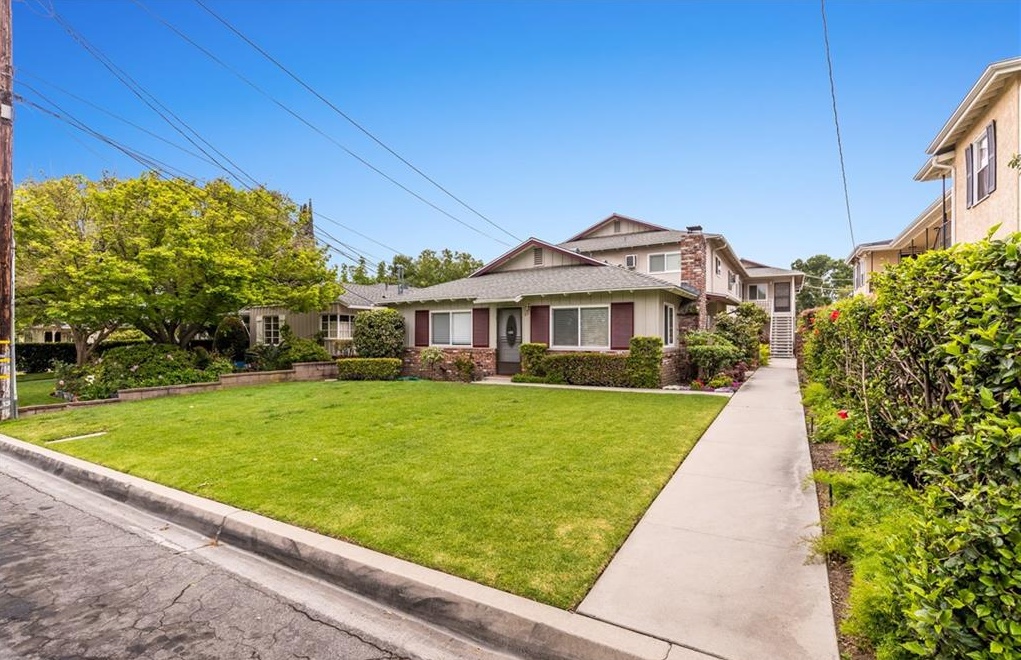
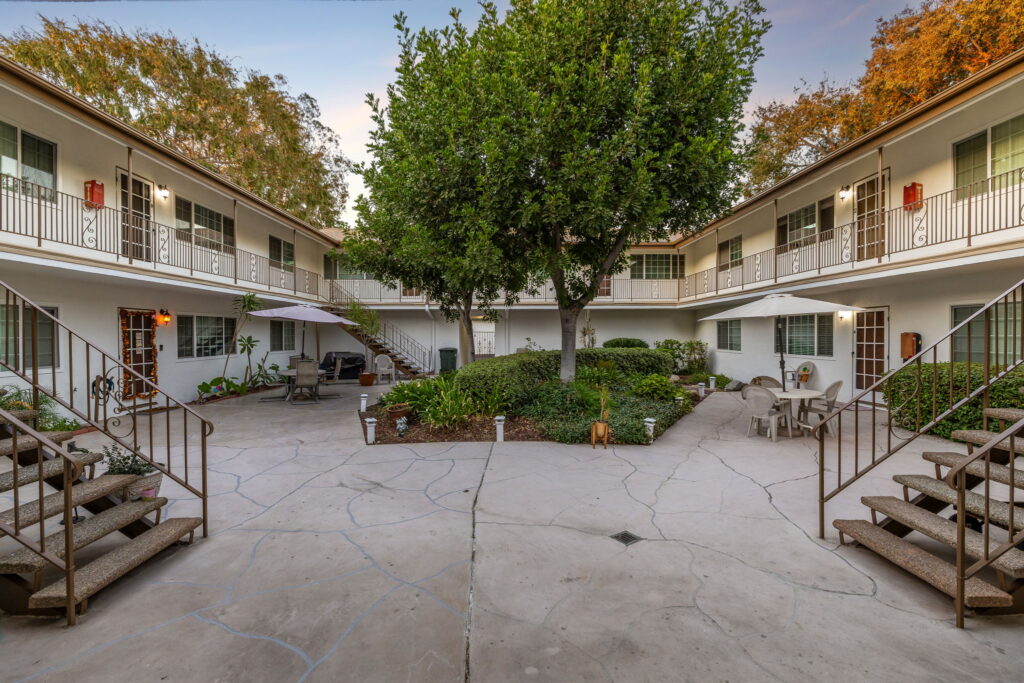
2–20 unit properties in the San Gabriel Valley attract very specific buyers:
- 1031 exchange investors who need to deploy capital fast
- Private local cash buyers
- First-time multifamily investors
- Portfolio expansion buyers looking for foothill locations
As a result, Nick strategically markets to buyers who will pay the most, creating leverage and competitive bidding without broad exposure that could hurt pricing.
Controlled Marketing & Negotiation
Whether you prefer a confidential off-market approach or a full-market launch, every campaign is designed to protect your pricing power. Furthermore, offer review goes far beyond the headline price:
- Financing strength & lender reputation
- Contingency structure & inspection risk
- Timeline alignment & 1031 coordination
Ultimately, disciplined negotiation protects your net proceeds, not just the contract price.
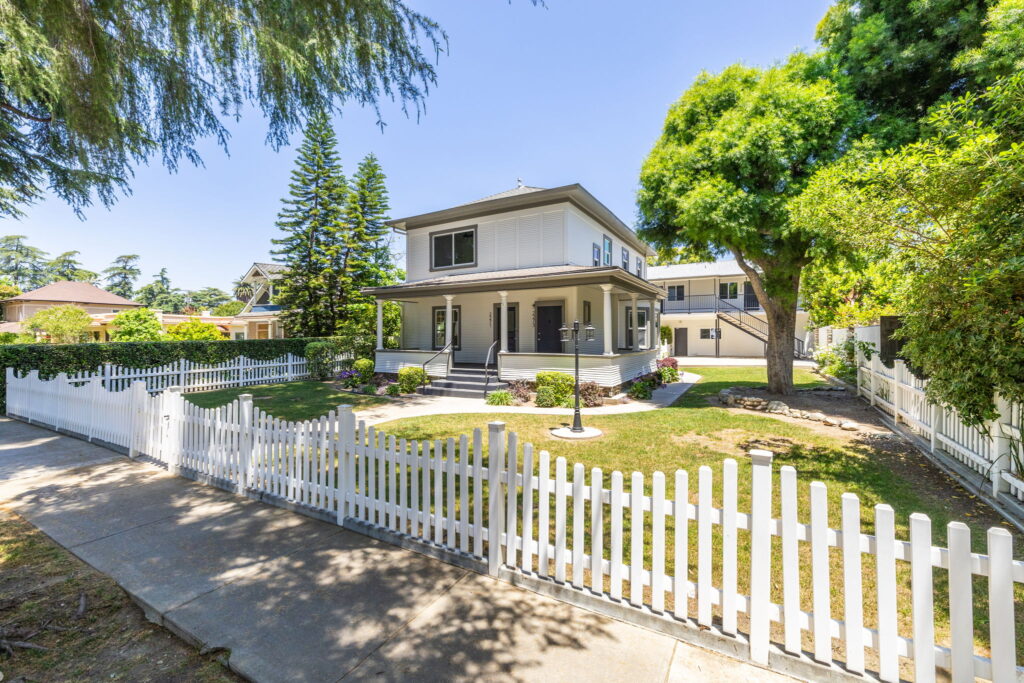
San Gabriel Valley Apartment Building Sales: Cities We Serve
Nick represents San Gabriel Valley Apartment Building (2–20 unit apartment owners) across:
La Verne, CA • Arcadia, CA • Pasadena, CA • Monrovia, CA • Sierra Madre, CA • Glendora, CA • Covina, CA • San Dimas, CA • Claremont, CA • Diamond Bar, CA • Pomona, CA • Upland, CA • Rancho Cucamonga, CA • Brea, CA • Fullerton, CA • Fontana, CA • Walnut, CA • Surrounding Cities
San Gabriel Valley apartment building sales vary significantly by submarket, and foothill communities in particular command premium cap rates that inland markets simply don’t match. If you own a duplex, triplex, or apartment building in any of these cities, a localized income valuation is essential before making any strategic decisions.
FAQ
Understanding Apartment Building Value
A: Single-family homes are valued by comparable sales. Small multifamily properties, however, are valued primarily on income, specifically net operating income (NOI), rent upside, expense ratios, and what investors in today’s market are willing to pay per door or per cap rate. A building with below-market rents can be worth significantly more than its “comps” suggest, if you know how to present it correctly.
A: A cap rate (capitalization rate) is the ratio of a property’s NOI to its market value. Buyers in the San Gabriel Valley use cap rates to compare investment returns across properties. Lower cap rates in premium foothill cities like Pasadena and Arcadia mean buyers will pay more for the same income, which is why submarket knowledge directly affects your sale price.
A: A 1031 exchange allows investors to defer capital gains taxes by reinvesting proceeds into a like-kind property. Many buyers of 2–20 unit buildings are mid-exchange and operating under strict 45-day identification and 180-day closing deadlines. Sellers who understand this dynamic can use it as leverage; motivated 1031 buyers often pay more and move faster.
Timing & The Market
A: 1031 exchange buyers and private investors represent the majority of demand, particularly in Pasadena, Arcadia, and foothill communities.
A: Timing depends on rent trajectory, interest rate movement, and personal capital strategy. A confidential review provides objective clarity.
The Selling Process
A: The process typically unfolds in four stages. First, Nick conducts a confidential income and valuation review to establish your property’s true market position. Next, he develops a targeted marketing strategy, whether off-market, on-market, or a hybrid approach, based on your timeline and goals. Then, once offers are received, Nick evaluates each one beyond just the headline price, analyzing financing strength, contingency structure, and closing timeline. Finally, he manages the escrow process through close, coordinating with lenders, inspectors, and 1031 exchange intermediaries as needed. Throughout every stage, the focus stays on protecting your net proceeds.
A: Not always. The ROI on pre-sale repairs for income property is very different from single-family homes. Some improvements increase value; others don’t move the needle for investors who plan to renovate anyway. Before spending a dollar, get a strategic assessment of what buyers in your price range actually care about, and what they’ll simply factor into their offer regardless.
A: Most 2–20 unit transactions close in 45–75 days once in escrow, but the pre-market preparation, pricing strategy, financial package preparation, and buyer targeting, can take 2–4 weeks. Off-market sales to pre-qualified buyers can move faster. The timeline also depends on tenant cooperation, loan type, and whether a 1031 exchange is involved on either side.
Tenants, Disclosure, & Marketing
A: Yes. California law requires disclosure of existing leases, rent amounts, and any known habitability issues. Tenant estoppel certificates are often requested by buyers and lenders. An experienced multifamily agent will guide you through the disclosure process in a way that protects you legally while keeping the deal on track.
A: Yes, and it’s common. With a controlled, confidential marketing approach, showings can be scheduled strategically and tenant communication managed professionally. Most tenants are cooperative when approached respectfully. Tenant relationships don’t have to be a barrier to selling, they just need to be handled correctly.
A: An off-market sale offers speed, privacy, and reduced disruption — but limits buyer competition. A full-market launch creates broader exposure and competitive bidding, which can drive price up. The right strategy depends on your timeline, tenant situation, and pricing goals. In many cases, a targeted off-market campaign to qualified investors achieves the best net result without the hassle of public exposure.